
Adelaide University

Helping Adelaide University make faster, evidence-based Microsoft 365 migration decisions by identifying active content, reducing unnecessary data movement and supporting a cleaner Digital Employee Experience.

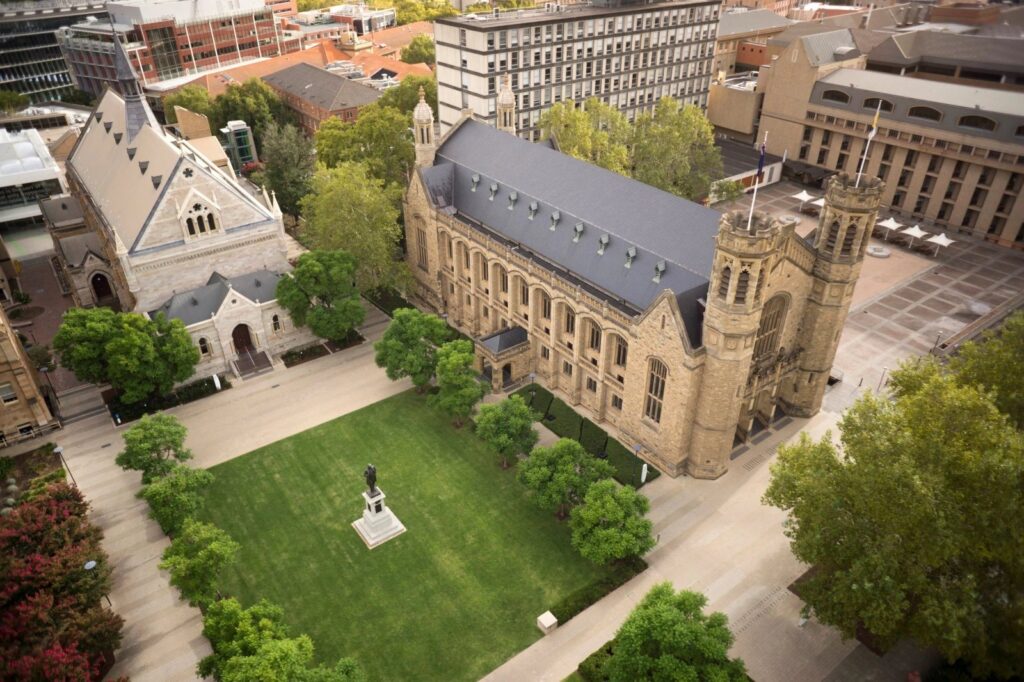
Aerial view of the Adelaide University North Terrace campus
TopicContent Intelligence
IndustryHigher Education
LocationAustralia

Client Overview

Adelaide University was formed through the merger of the University of Adelaide and the University of South Australia. The programme brought together extensive Microsoft 365 estates while a new Collaboration Hub was being created to reflect the structure of the new university across portfolios, functions and sub-functions.

Business Challenge

The two foundation universities had accumulated a very large estate of SharePoint sites, Microsoft Teams workspaces and documents over many years. The programme needed to distinguish content that remained actively used (“Adelaide University Critical content”) from redundant, obsolete or trivial content before deciding what should move into the new environment. Workspace-level signals and stakeholder opinion did not provide enough certainty about whether the content itself was still being accessed or modified. With limited time, the university needed a consistent and objective evidence base that could prevent debate, accelerate decisions and allow the migration programme to move with confidence.

The Brief

Use Atoras to objectively analyse document-level usage across the legacy Microsoft 365 estate, identify active and dormant content, support migration prioritisation, and help determine what belonged in the new Collaboration Hub versus a retained read-only archive experience.

The Solution

Atoras applied its proprietary Heat Mapping technology to document-level activity signals, focusing on where content itself was still being accessed or modified.

This produced an objective and highly accurate view of active, lower-use and dormant content across large numbers of SharePoint sites and Teams workspaces. A custom capability was developed for Adelaide University to support the programme’s specific assessment and migration needs.

The resulting insight underpinned the ‘New House and Shed’ strategy. The new Collaboration Hub became the new SharePoint house for active and valuable information. Historical sites and workspaces remained accessible in ‘The Shed’ as read-only content, supported by a clear banner and a dedicated search experience. This allowed staff to find and view legacy information without carrying unnecessary content into the new collaboration environment.

Key Capabilities

  • Proprietary Heat Mapping technology based on document-level usage signals
  • Objective identification of active, lower-use and dormant content
  • Identification of potential ROT: redundant, obsolete and trivial information
  • Custom analysis capability developed for Adelaide University
  • Evidence-based migration prioritisation across SharePoint and Teams
  • Support for the “New House” (Active) and “Shed” (Archived) information lifecycle model
  • Insights that also supported wider migration and governance activities

Business Outcomes

  • Converted subjective stakeholder discussions into consistent, evidence-based decisions
  • Helped the programme separate actively used content from dormant and potential ROT content
  • Reduced the risk and effort associated with moving unnecessary information into the future environment
  • Enabled the project to progress with greater speed and confidence despite constrained timeframes
  • Supported a cleaner Collaboration Hub aligned to Adelaide University’s DEx strategy and new organisational structure
  • Preserved access to historical information through the read-only Shed and its supporting search experience

Cost and Effort Reductions

Atoras enabled Adelaide University to rapidly analyse the content estate of both foundation universities, distinguishing active content from archival material in days rather than months.

This provided the evidence needed to confidently determine what should be migrated into the new collaboration platform and what could be retained in archival storage, significantly reducing migration costs and effort.

The platform was also used to map content from legacy SharePoint sites to the new information architecture, using real-time heat maps to optimise site placement and mitigate issues such as excessive path lengths. The result was a faster, lower-risk migration and a more efficient digital workplace for the newly merged institution.
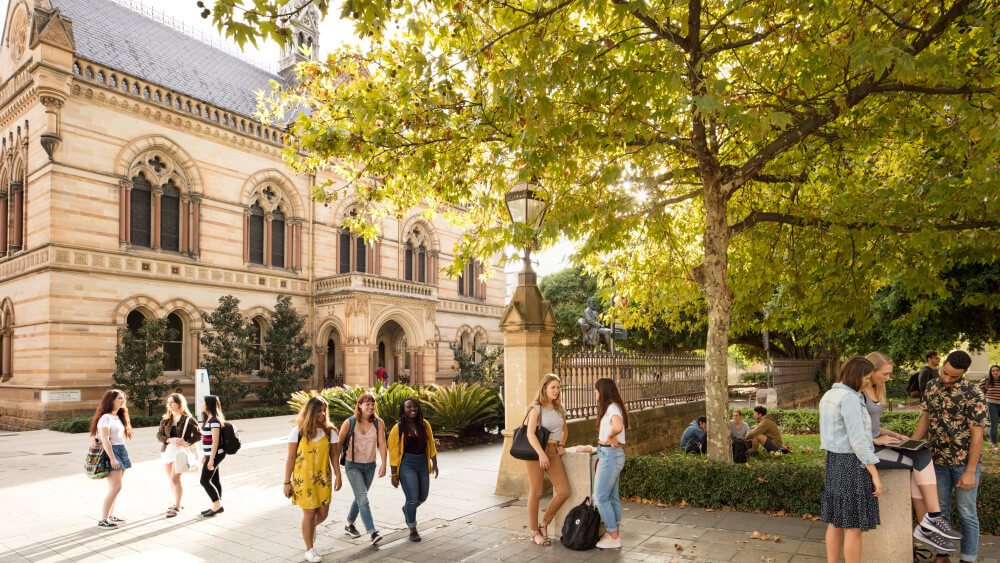
Students walking past a sandstone building on campus

Key Takeaway

Atoras helped Adelaide University answer the question that often slows large migrations down: ‘What is actually being used?’ Its proprietary Heat Mapping technology replaced conflicting opinions with objective document-level evidence, while the House and Shed model turned that evidence into a migration strategy stakeholders could readily understand.

Client Testimonial

“Atoras gave the programme an objective view of where content was genuinely being used. That evidence helped reduce uncertainty, accelerate decisions and give the project confidence to move forward within a very limited timeframe.”
First Lastname
First LastnameJob Title

Ready to outsmart your assumptions?

Before your next migration, Copilot rollout or governance initiative, understand what is really happening inside your Microsoft 365 environment.

  • See the environment.
  • Understand the behaviour.
  • Identify the priorities.

Case Studies

No case studies yet.